Wrist Wraps
Discussing the usage of wrist wraps for power lifting and
bodybuilding usually tends to set off heated debates. Some participants
in these activities claim that the wrist wraps do more harm than good
while others claim they are very necessary for safety reasons. As with
most debates, each side is partially right and partially wrong.
Importance of wrist wraps
In the past, many of the injuries and effects were never reported to
anyone, so only the most obvious risks were associated with these
activities. It was difficult to conduct research due to the low number
of people involved with weightlifting activities. Now that there are
millions of people performing weight lifting and bodybuilding
activities, it has become easier to research the risks involved with
weight lifting and bodybuilding. It was estimated that approximately
34.5 million people participated in weight training exercises in 2009.
The new research has indicated that using wrist wraps under certain
conditions is necessary for safety reasons. Recent studies have
revealed that nearly a million Americans visited emergency rooms between
1990 and 2007 due to weight training injuries. Since many of the
injuries involved the wrist, it has become more apparent that wrists
need to be protected during certain weight lifting and bodybuilding
activities.
Common injuries which can be reduced or prevented
There are several types of injuries that can be reduced or prevented by
using wrist wraps. Many of these injuries may occur more frequently or
be more serious than most power lifters and bodybuilders realize. Some
of these conditions are frequently misdiagnosed or have gone unreported
for various reasons. However, all weight lifters and bodybuilders
should become aware of the risks involving these conditions:
• Carpal Tunnel Syndrome – Carpal tunnel is typically classified as an
overuse injury that is generally caused by repetitive actions over a
long period. It’s primarily characterized by the median nerve becoming
entrapped or compressed by the surrounding tendons. The symptoms can
include any combination of finger mobility motion problems, numbness,
pain extending to the elbow, tingling, weak grip, muscle weakness, and
wrist pain. Carpal tunnel treatment can include splinting or wrist
braces, taking nonsteroidal anti-inflammatory drugs (NSAIDs) and not
stressing the wrist. In some cases, surgery may be required. Carpal
Tunnel Syndrome is commonly misdiagnosed as arthritis. However, there
are also numerous conditions that are misdiagnosed as being Carpal
Tunnel Syndrome, such as Ulnotriquetra Tear.
• Syndesmosis – Mostly occurs when a wrist is bent too far beyond its
normal range of motion. For power lifters and bodybuilders, this may
happen if they attempt to lift weights that their bodies are not ready
to handle. Syndesmosis causes a greater level of pain as the damage to
the interosseous membrane increases. This injury is frequently
misdiagnosed as sprains and so is left untreated. However, if it’s left
untreated, the damage can become irreversible. Syndesmosis is usually
treated with cartilage-stimulating supplements, wrist braces and
cryotherapy. In some cases, surgery is required.
• Tendinitis – Another type of overuse injury, tendinitis occurs when
the wrist becomes inflamed, irritated and swollen. The symptoms may
include heat, redness and pain, which may increase with activity or at
night. Typical treatment for tendinitis includes cryotherapy,
immobilization, physical therapy, rest and taking NSAIDs
• Wrist Strain – Typically classified as an overuse injury, strains
occur when a muscle or tendon is pulled or twisted. The symptoms may
include any combination of cramping, inflammation, limited motion,
muscle spasms, pain, swelling, and weakness. Treatment for wrist strain
usually includes cryotherapy, wrist braces/splints, and taking NSAIDs.
In some cases, surgery is required.
Many other conditions, such as scaphoid fractures may also warrant the
use of wrist wraps. Since weight lifting is an extreme hardcore sport
that requires putting lots of stress on the wrist, extra caution needs
to be taken to protect the wrist from permanent damage. However, there
are also times when wearing wrist guards may cause more harm than do
good during power lifting and bodybuilding activities. So it’s
essential for participants in these types of sports to have adequate
knowledge of how and when to use the wraps.
Types of wraps
An adequate knowledge of wrist guards includes knowing what types of
wraps are available. Many beginners may confuse wrist wraps with wrist
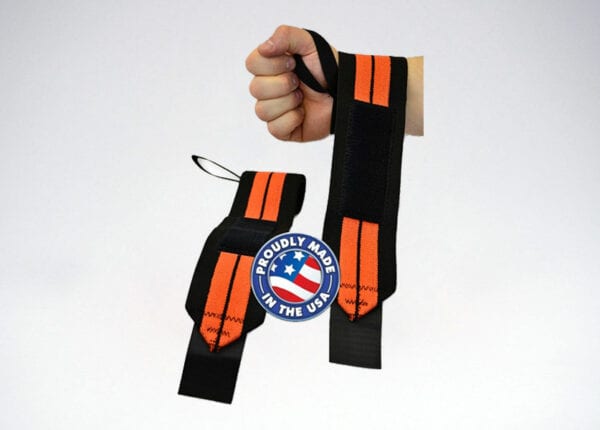
straps. However, wraps are used for supporting and stabilizing the
wrist, as well as reducing the amount of strain placed on muscles. They
can also be used for targeting specific muscles during training
sessions. On the other hand, straps are generally used for pulling
exercises, such as deadlifts, shrugs, and barbell rows. Although straps
do help to support the wrist, their primary function is for assisting
with lifting heavier weights and not protecting the wrist.
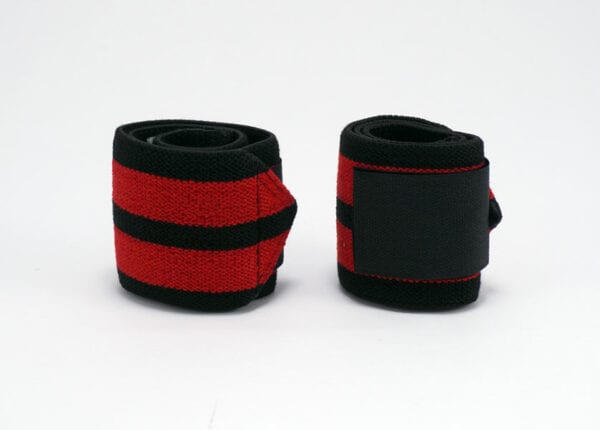
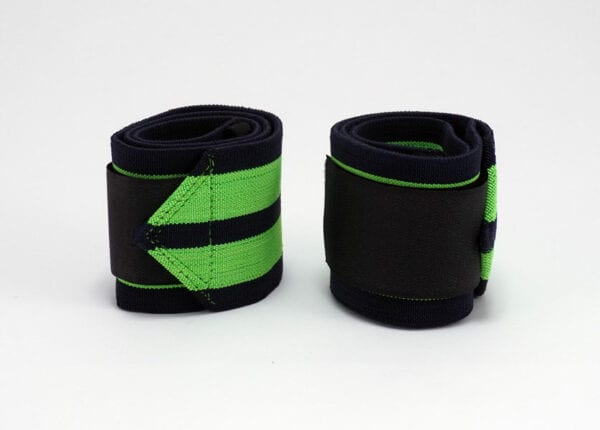
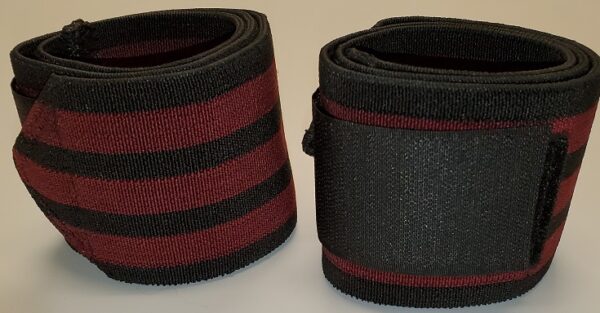
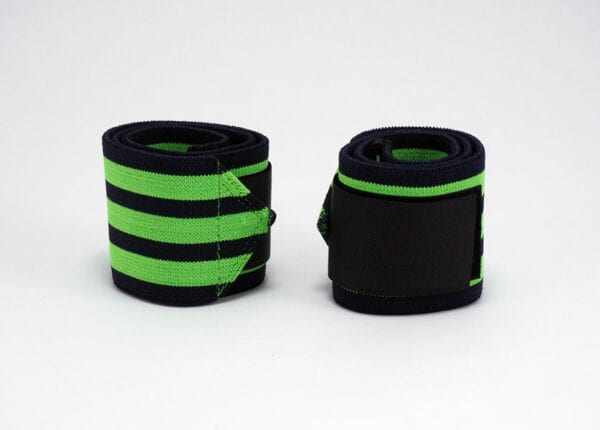
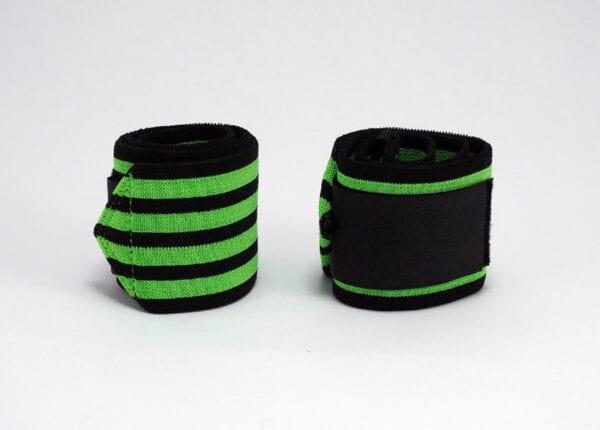
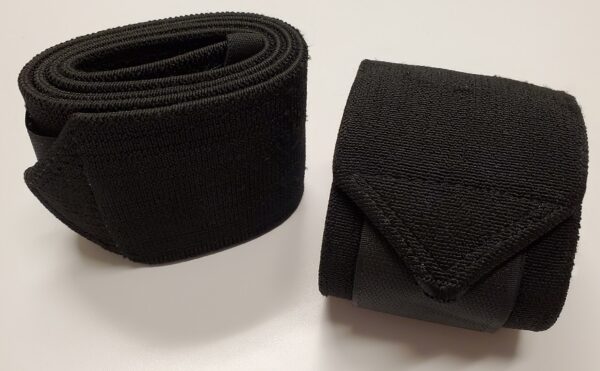
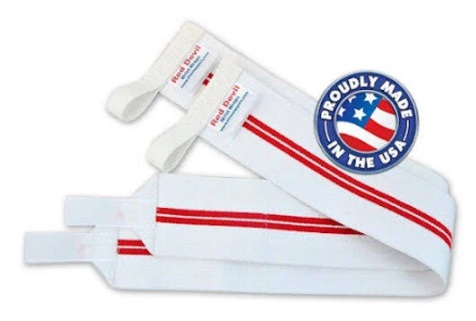
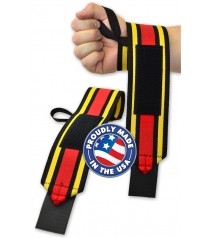
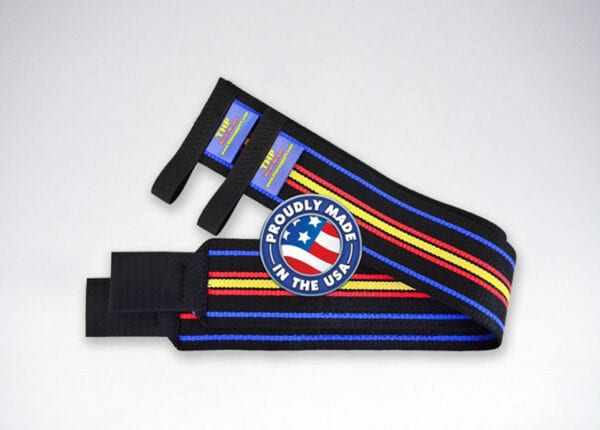
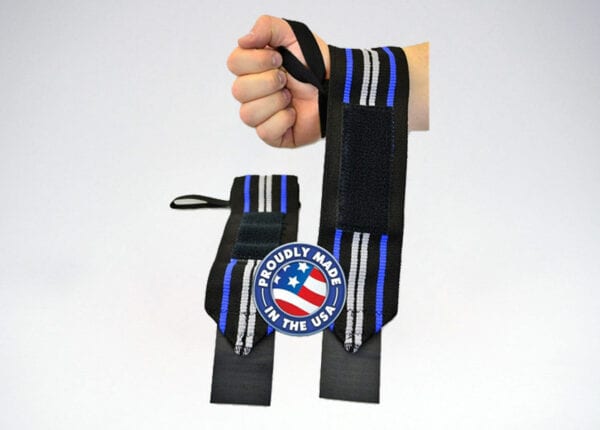
Wraps can be found in basic forms similar to an elastic bandage or can
be in the form of a glove. They are usually made out of canvas, cotton,
leather, nylon, polyester, polypropylene, or suede and come in several
sizes. Some wraps come with straps. Others may come with hooks.
The debate
As was previously mentioned, the debate is primarily about whether wrist
wraps should or shouldn’t be used for power lifting and body building
activities. Those who don’t like using them say they shouldn’t be used.
Those who like them say they should be. Researchers say that there
are times when wrist wraps should be used and times when they shouldn’t
be.
Wrist wraps should be used when lifting activities will force the wrist
beyond its normal range of motion. They should definitely be used while
lifting extremely heavy weights during activities that would place
undue stress on the wrists. However, they should not be worn during
activities that require full use of the wrist’s full range of motion.
Nor should wrist wraps be used during light weightlifting activities, as
they can cause the muscles to improperly develop or weaken over time.
Since beginners should never lift weights beyond their own bodies’
capabilities, they should forego using the straps and hooks, as well as
wrist wraps until they have adequately developed their wrist muscles and
tendons.
|
|